
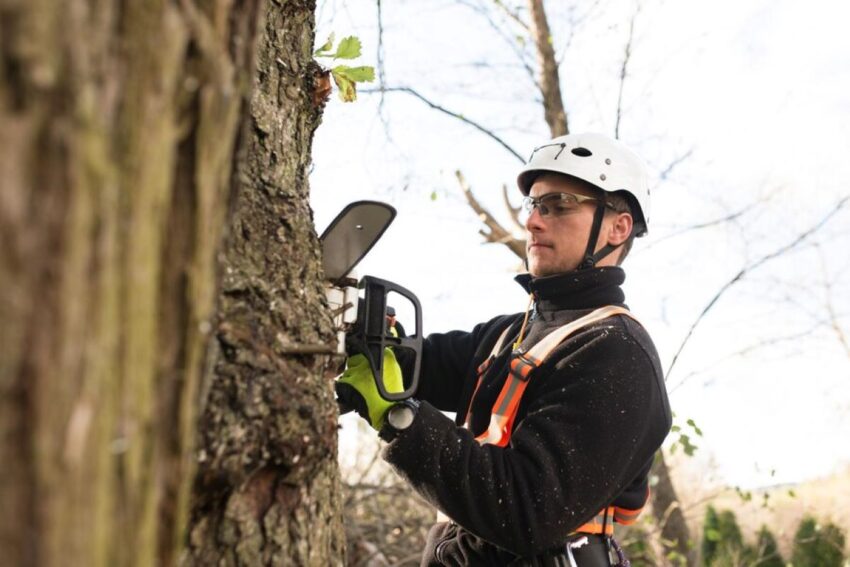
The expertise of a qualified arborist in Sydney is something that many residents come to rely on when it comes to maintaining healthy, structurally sound trees. With urban development booming and tree removal numbers rising, specialised professionals are the front line in preserving the city’s green heritage while ensuring public safety. Discover how these experts detect issues that often remain hidden until it’s too late.
Recognising Subtle Signs of Tree Health Decline
Arborist sydney typically involves the selective cutting of branches to reduce a tree’s size or reshape its overall form. This approach is often used to remove dead, damaged, or overgrown sections while preserving the main structure of the tree. When done correctly, tree lopping can help manage the tree’s crown and reduce risks associated with overhanging or unstable branches.
A common misconception is that arborist sydney is always a less invasive alternative to full tree removal. In reality, improper lopping can cause structural defects, large unsightly wounds, and even shorten the tree’s lifespan. Poorly executed lopping may also leave trees more vulnerable to pests, decay, and disease.
While arborist sydney may appear to be a practical short-term solution, property owners should consider the long-term health of the tree and the impact on property value. Best practice is to engage experienced professionals who follow industry standards and safe work guidelines to ensure sustainable, responsible outcomes.
Early Detection of Structural Weakness
Identifying structural weaknesses is paramount for trees growing in challenging urban environments. Sydney’s older suburbs, such as Newtown, Marrickville, and Petersham, are particularly susceptible to tree root intrusion problems where ageing infrastructure meets natural vegetation.
The inspection process includes a close look at branch angles, trunk integrity, and the development of roots. When experts find irregularities, they can recommend pruning or bracing treatments to prevent catastrophic falls. This level of detailed scrutiny is usually less apparent to the untrained eye.
In addition, advanced tools like the Resistograph® help detect internal decay that is invisible from the outside. This tool uses a drilling method to establish resistance against decay inside the wood, giving arborists vital insights into the tree’s internal structure. Such tools ensure that even hidden defects are discovered in their infancy.
Tree Decay: More Than Just Rot
Tree decay is not always visibly apparent until the damage is extensive. However, the first signs may include the presence of bracket fungi, shelf mushrooms, or toadstools. These fungal indicators can reveal a far more significant internal rot which compromises the tree’s strength and stability.
Qualified arborists know that by the time decay is outwardly evident, the problem may have progressed too far for simple remedial measures. Prompt detection through specialised assessments and tools such as the Resistograph® is essential to spend minimal resources on remedial measures, while ensuring public safety.
This careful monitoring can extend the life of valuable trees by allowing targeted treatments such as fungicidal applications, selective pruning, or even surgical removal of the affected parts of the tree. A trained professional uses these methods to save time, money, and offer peace of mind to property owners and community residents alike.
Advanced Technology in Tree Inspection
Deep Learning and Stand-Off Radar Systems
Technology is reshaping tree inspection practices. Recent studies have introduced deep learning-augmented stand-off radar systems capable of detecting tree defects with an impressive 96% accuracy. Such systems work by sending radar pulses towards the tree and analysing the reflected signals to detect irregularities in density and structure.
The integration of deep learning algorithms means that every minute detail is evaluated against a database of known defect patterns. This speed and precision offer arborists a highly effective way to monitor large numbers of trees quickly, even in remote or difficult-to-access areas.
This state-of-the-art approach does not replace the need for on-site physical assessments, but rather complements the traditional methods by pre-identifying potential problem areas requiring closer examination. As technology improves, the role of digital inspection aids is only set to expand further.
Resistograph® and Advanced Diagnostic Tools
The Resistograph® tool is another technological advancement that is making waves in early decay detection. By drilling a fine probe into the trunk, it measures the resistance of the wood, thereby identifying areas with internal decay or hollow spots that are not visible externally.
Data gathered from the Resistograph® allows arborists to map out exactly where decay is present in different parts of a tree’s structure. Such detailed insights enable more accurate risk assessments and tailored treatment plans, significantly reducing the chances of sudden tree failure.
While combining these advanced tools with the professional judgement of a qualified arborist, the reliability of tree structural evaluations in Sydney continues to improve. Bringing together technology and expertise benefits public safety, especially in areas where trees are in close proximity to residential or commercial developments.
Impact of Urban Development on Tree Health
Tree Removals and Urban Expansion
Sydney metro councils approved over 27,800 tree removals in 2025 alone, with development projects being a major contributing factor. This statistic underscores the ongoing conflict between urban expansion and tree preservation in a bustling city.
The pressure to remove trees for construction and infrastructure projects sometimes leaves behind insufficient mitigative measures for long-term urban forestry. In these situations, only a qualified arborist can balance the need for development with measures to ensure the remaining trees are healthy.
Through careful planning and consultation, arborists advise on preservation and proactive management initiatives. They also help select which trees offer the most benefit to keep and what measures can be taken to guard those vulnerable to the disruptive effects of nearby construction.
Urban Types of Tree Risk
Residents of urban areas are more likely to encounter a variety of tree risks that develop because of installation, underground utilities, and limited space for root expansion. Urban trees are often subjected to stress from soil compaction and pollution, which can exacerbate problems within the canopy and trunk.
In these instances, a detailed health and safety audit is necessary. Arborists carry out these inspections by evaluating environmental factors alongside the tree’s natural growth patterns. They check soil conditions, assess nearby structures, and test for microbial activity that could accelerate decay.
This thorough evaluation helps to reassure communities that their urban trees are not silent hazards waiting to fail. Experts then design a tailored plan focused on preservation and, if unavoidable, safe removal, ensuring the community remains both safe and benefits from the greenery. Visit https://www.wettropics.gov.au/how-the-trees-grow.html to get how a tree grows.
Preventative Measures and Regular Audits
Importance of Regular Tree Health Audits
Regular health audits are fundamental for pre-empting hazardous developments in tree populations. Consulting a professional arborist for bi-annual or even annual inspections can save homeowners from costly emergency repairs or dangerous situations later on.
Periodic audits allow arborists to track changes within trees over time, such as gradual weakening, decay, or unexpected pest infestation. By keeping a detailed record of tree health, they can predict potential future hazards with a higher level of accuracy.
This method involves visual inspections combined with diagnostic techniques such as structural analysis, bark surveys, and the use of specialised tools. Such comprehensive scrutiny is critical in locations where trees serve not only aesthetic or environmental functions, but also structural roles in properties.
Steps to Taking Preventative Action
Knowledge is power when it comes to protecting trees. After an audit, homeowners should take steps as advised by the arborist-ranging from simple mulching to a more extensive pruning programme aimed at alleviating any detected stress. These measures ensure continued robust growth and structural integrity.
Often, the audit reveals minor issues that can be resolved before they translate into major problems. For instance, early decay in a critical branch or the onset of root intrusion can be managed with proper pruning and soil treatments, forestalling the need for a full tree removal.
Implementing these recommendations may include managing soil compaction, improving irrigation methods, and enhancing drainage. By addressing these issues proactively, property owners secure the longevity of individual trees while contributing to broader urban forest sustainability.
Understanding and Mitigating Root Problems
The Intricacies of Tree Roots in Sydney’s Suburbs
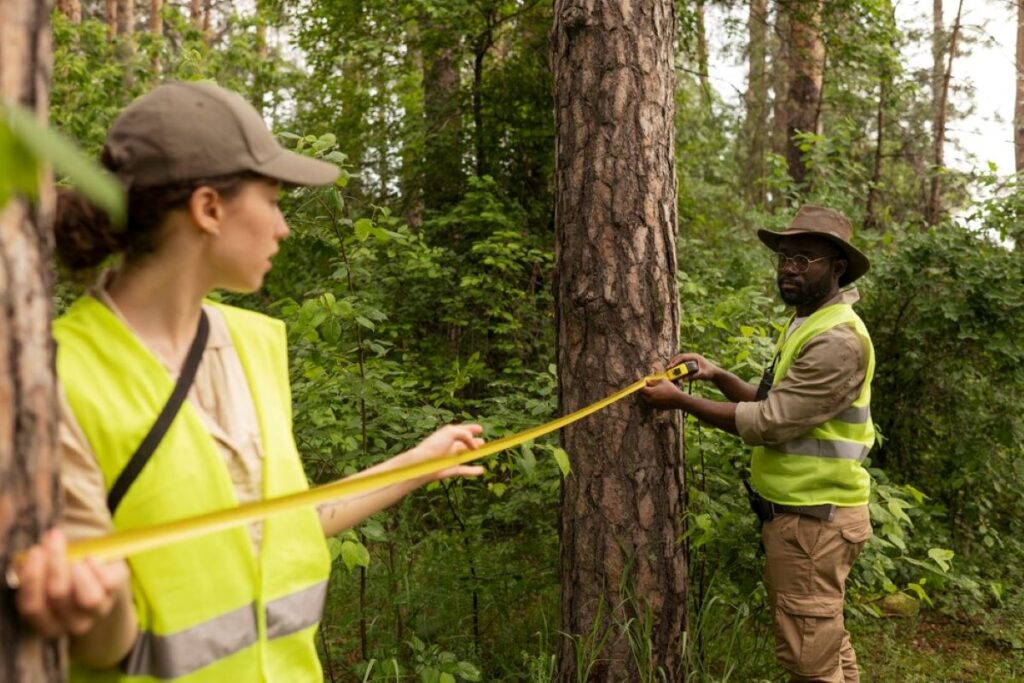
Sydney’s Inner West suburbs face unique challenges with tree roots clashing with ageing infrastructure. Trees thrive on healthy, unconstrained root systems, yet the struggle to find space often leads to aggressive root intrusion problems that can damage pavements, building foundations, and underground utilities.
A qualified arborist can assess the intricate balance between the tree’s needs and that of the urban infrastructure in place. They offer solutions such as root barriers or targeted pruning to minimise risk without compromising tree health. This balance is key in older communities, where the urban layout was not originally designed with expansive tree growth in mind.
These assessments also involve soil analysis and pedestrian traffic studies to gauge the immediate impact of intrusive roots. Professional recommendations often include early interventions, which can save the expense of major repairs or replacements later on while preserving the character of the neighbourhood.
Strategies for Root System Management
Managing tree root systems requires both a deep understanding of tree biology and urban planning considerations. Arborists are adept at proposing solutions that mitigate damage to infrastructure, such as open-cut techniques to remove invasive roots or installing physical barriers to direct growth away from critical areas.
Careful adjustments like soil modification improve drainage and reduce root over-compaction. Such approaches can also rejuvenate the soil’s nutrient content, ensuring that trees grow healthier and in a more manageable manner. This is particularly important in areas where older infrastructure limits natural root expansion.
Overall, the preventive strategies suggested by experts are not limited to reactive measures. Instead, they integrate forward-thinking maintenance routines that blend seamlessly with urban development guidelines, ensuring that both trees and community structures coexist safely and efficiently.
The Human Element: Expertise and Experience
Value of Professional Training and Certification
A certified arborist brings years of hands-on experience and specialised training, forming a critical line of defence against tree hazards. Accredited professionals often perform risk assessments, utilising well-honed skills combined with the latest diagnostic tools. Their decisions are underpinned by both practical experience and robust scientific insights.
In Sydney, where tree preservation faces unique urban challenges, the balance of environmental care and public safety rests in the capable hands of these experts. They remain updated on evolving technologies and methodologies, ensuring that their approach remains both current and effective.
Discussing local case studies and sharing detailed observations often dispels myths about tree care. It becomes clear that professional involvement isn’t just a luxury – it is essential for accurately diagnosing issues that ultimately protect community well-being and property investments.
Merging Traditional Skill with Modern Tools
While technology has significantly enhanced the detection of minute issues, traditional observational skills remain irreplaceable. The juxtaposition of modern diagnostic gadgets like the resistograph and the deep knowledge of tree biology makes for a robust approach to tree care.
The most effective professionals in Sydney seamlessly merge time-tested methods with modern innovations. This balance allows for early diagnosis that identifies both impending decay and nascent structural risks way before these problems become public hazards.
This blended approach is especially valued in high-density urban areas where the stakes are high. A misjudged tree can cause significant damage to property, and even lives, underscoring the importance of trusting highly qualified experts with the responsibility of tree care.
Addressing Environmental Impacts and Policy
Understanding Urban Tree Removal Statistics
Recent figures show that urban areas in Australia have overtaken rural land clearing as the major contributor of tree loss in New South Wales, with urban removals making up 18% of total losses in 2025. This trend emphasises the difficulty of balancing city growth with environmental concerns.
Arborists work closely with local councils and developers to ensure that the economic pressures of urban expansion do not inadvertently accelerate tree loss. Their expert assessments ensure that only those trees beyond saving are removed, allowing healthy trees a future within the urban sprawl.
This collaborative approach between professionals and regulatory bodies assists in forming sustainable urban development plans. By relying on expert insights, towns and cities can set guidelines that protect vital green spaces while still accommodating developmental needs.
Promoting Sustainable Practices and Public Awareness
Public understanding of tree health is growing in Sydney, partly due to constant educational efforts by arborists and environmental organisations. Homeowners, property managers, and local communities are learning to recognise signs of tree stress and decay, thus taking preventive action before major problems develop.
Qualified arborists often lead workshops and public consultations that detail sustainable tree management practices. Their advice ranges from how to select tree species that thrive in urban areas to the benefits of regular health audits and maintenance routines.
This proactive ethos not only sustains individual trees but also contributes to Sydney’s reputation as a city that values and preserves its natural beauty. The dialogue between experts, local councils, and communities ensures that the city remains green and thriving for generations to come.
See Also : Is Tree Lopping Sydney Ever Better Than Full Tree Removal?
Key Takeaways: Early Identification Saves More Than Trees
Early identification of tree issues is about more than preserving nature-it is an investment in community safety and long-term economic savings. The early detection of structural weaknesses, decay, or problematic root systems allows preemptive action that can prevent costly damage to infrastructure and reduce potential hazards.
When a qualified arborist is involved, their detailed knowledge of tree health combined with advanced tools can spot even the smallest signs of trouble. Whether it is the subtle appearance of fungi indicating decay or the minute changes in the tree’s structure signalling potential failure, every detail counts.
Investing in regular audits, leveraging modern diagnostic tools, and fostering a culture that values expert consultation ultimately leads to better outcomes for our communities, our green spaces, and our built environment.
Final Thoughts on Urban Tree Management and Early Intervention
Adopting a Preventative Mindset
Awareness is the first step in preventing major tree hazards. A proactive mindset can shift conversations from ‘reactive removal’ to ‘preventative care’. Qualified arborists in Sydney are at the forefront of this shift, advocating for routine inspections and staying abreast of the latest industry technologies.
This preventative approach not only protects trees but also preserves the historical and social value embedded in Sydney’s urban landscape. Regular audits and early interventions help maintain comfortable, safe, and aesthetically pleasing environments for residents and businesses alike.
With an ever-growing urban footprint, a preventative mindset is essential. Simple adjustments today can avoid serious disruptions tomorrow. The decision to invest in proper maintenance and strategic planning is one that always pays dividends in the long run.
Community and Professional Collaboration
The strength of Sydney’s urban forestry lies in the robust relationship between communities and the professionals charged with its care. Regular dialogue builds trust and ensures that expert advice is accepted and implemented effectively.
Residents and local councils benefit immensely from collaborating with arborists who understand the natural rhythms of tree growth and the stresses inflicted by urban life. This synergy creates a network of informed stakeholders all dedicated to maintaining a safe, vibrant environment.
By fostering partnerships between city planners, developers, and experienced arborists, Sydney is setting a benchmark in sustainable urban living. The result is a city that doesn’t just grow, but grows well-where natural beauty meets responsible management.
Conclusion
Every tree is a living testament to nature, quietly contributing to our environment long before visible issues arise. In many cases, only a qualified arborist can identify early problems that lurk unseen within the trunk, roots, or canopy. From subtle signs of decay, structural weaknesses, and problematic root systems to the sophisticated use of modern diagnostic tools like deep learning and the Resistograph®, expert evaluation is the best safeguard against unforeseen hazards.
Sydney continues to balance a rich natural heritage with the demands of urban growth. By harnessing the insights of highly trained arborists, residents and communities can ensure that trees are not casualties of development but are preserved as vital assets to the local landscape and public safety.
Understanding the myriad problems that trees face, and recognising early interventions through expert eyes, ultimately saves more than trees-it saves property, lives, and the verdant spirit of our city. Embrace regular tree audits, keep an eye out for warning signs, and rely on professional expertise to foster a sustainable future in our urban jungles.