
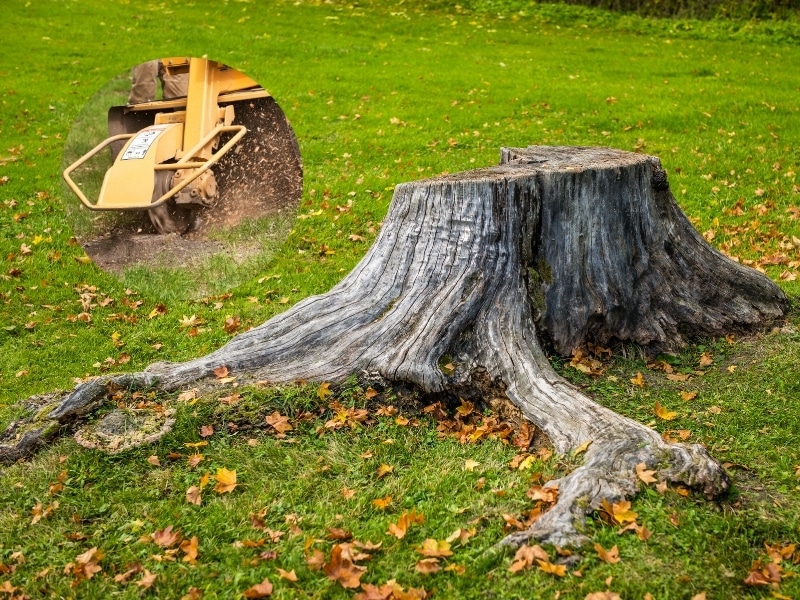
This guide breaks down the real factors that influence stump removal cost so they can estimate more accurately before getting quotes.
What does stump removal usually include?
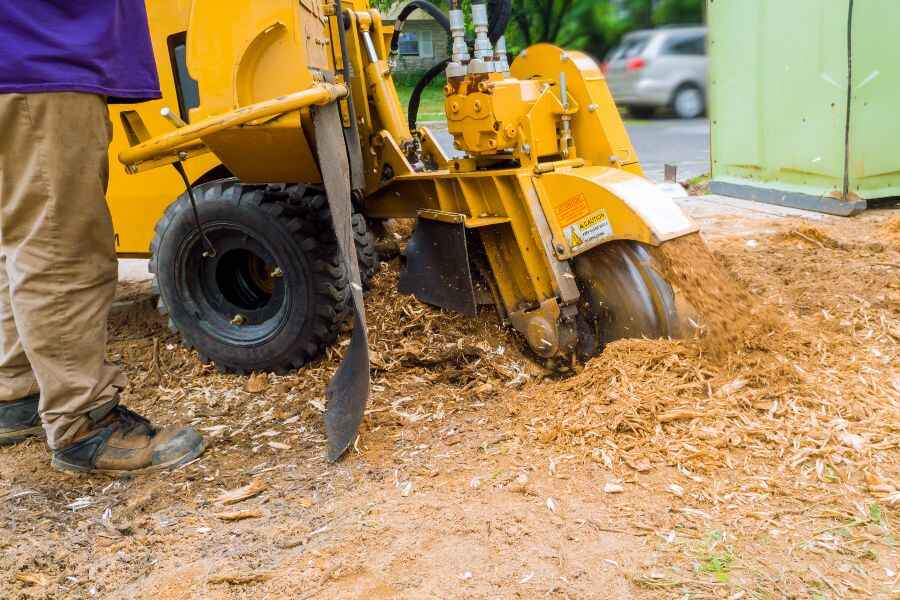
When reviewing Stump Removal Pricing, most stump removal jobs include cutting the stump down (if needed), grinding or extracting it, and basic site cleanup. Some companies also include raking chips back into the hole, while others leave the mulch pile on-site.
Pricing can change fast depending on what “done” means to them. If they expect the hole backfilled, chips hauled away, or the area prepped for sod, that usually adds cost.
How does stump size affect the price?
Size is one of the biggest cost drivers because it directly affects time and wear on equipment. Most contractors measure diameter at ground level, and larger diameters take longer to grind and create more debris.
A wide stump also tends to have a larger root flare, which can slow grinding. If a property has multiple stumps, some companies discount the per-stump rate because setup time is shared.
Why does stump location and access change the cost?
Access matters because stump grinders are heavy and not always easy to position. If the stump is behind a fence, down steps, on a steep slope, or through a narrow gate, the crew may need smaller equipment or extra labor.
Location also affects safety and risk. Stumps close to buildings, retaining walls, irrigation lines, or other landscaping features can require slower, more careful work, which often increases the quote.
Does the removal method impact stump removal pricing?
Yes, the method can change the cost because it changes labor, equipment, and disposal needs. Grinding is the most common approach because it’s fast and minimizes disturbance, but it leaves roots in the ground.
Full stump extraction (digging and pulling the stump and main roots) is often more expensive because it’s more invasive and typically requires heavier machinery. Chemical rotting and burning can be cheaper in materials, but they take time, carry restrictions, and are often not offered as a professional service.
How do tree species and wood hardness affect the price?
Hardwoods generally grind slower than softwoods, and some species have dense, stubborn root systems. Old, seasoned stumps can also be tougher, especially if the stump has dried and hardened over time.
Species differences rarely show up as a separate line item, but they affect the contractor’s time estimate. That time usually shows up in the final price.
Do root systems and depth increase the cost?
A stump is not just what they see above ground. Some trees have shallow, wide root plates, while others have deeper anchor roots that complicate extraction.
Even for grinding, extensive surface roots can increase the grind area if they want the visible roots removed for a smooth finish. If they need roots ground out to install a patio, driveway edge, or new planting bed, the scope expands and pricing follows.
How does cleanup and debris removal affect total cost?
Grinding creates a lot of chips and soil mix. Some homeowners want those chips left as mulch, while others want everything hauled away. Haul-away adds labor, loading time, and dumping fees.
Backfilling the hole with topsoil, tamping, and reseeding are also common add-ons. The more “restoration” they want after the stump is gone, the higher the total cost tends to be.
Can underground utilities and hazards change the quote?
Yes, and this is a major reason contractors ask questions before confirming price. Underground utilities, sprinkler lines, low-voltage lighting, septic components, and drainage systems can limit how deep or how aggressively they can grind.
If the area has rocks, metal debris, old concrete, or unknown fill, the job can take longer and risk equipment damage. Some companies build this risk into pricing or add a contingency once they inspect the site.
Does emergency or same-day stump removal cost more?
Often, yes. If they need same-day service, weekend work, or stump removal after storm cleanup, they may pay a premium for scheduling priority.
Season also matters. In busy months, companies can charge more simply because demand is higher and routes are tighter.
How do minimum fees and travel distance affect stump removal pricing?
Many stump removal companies have a minimum service charge that covers travel, setup, and basic wear on equipment. This is why removing one small stump can still cost more than expected.
If the property is far from their normal service area, travel time and fuel can increase the quote. Bundling multiple stumps or pairing stump work with other tree services can sometimes reduce the impact of minimum fees.
What should they ask for in a stump removal estimate?
They can get clearer, more comparable quotes by asking what is included. A useful estimate usually confirms the stump diameter used for pricing, the grinding depth, and what happens to the chips.
They can also ask:
- Will they grind surface roots, or only the main stump?
- How deep will they grind below grade?
- Will they rake chips into the hole or leave a pile?
- Is haul-away included, and if so, how much?
- Are there extra charges for gates, slopes, or tight access?
How can they lower stump removal costs without cutting corners?
They can often reduce costs by improving access, combining multiple stumps in one visit, and choosing to keep chips on-site. If they are flexible on scheduling, off-peak days may be cheaper.
The key is aligning expectations. If they only need the stump ground below grade and do not need haul-away or restoration, they can usually keep the scope lean and the price lower.
FAQs (Frequently Asked Questions)
What factors influence the cost of stump removal?
Stump removal pricing depends on practical details such as stump size, access difficulty, root depth, removal method, and cleanup expectations. These factors affect labor, equipment usage, and time required, thus influencing the final cost.
How does stump size affect stump removal pricing?
Larger stumps typically cost more to remove because they require more time and cause greater wear on equipment. Contractors usually measure diameter at ground level; bigger diameters mean longer grinding times and more debris to manage.
Why does the location and accessibility of a stump impact removal costs?
Access challenges like fences, steps, slopes, or narrow gates may require smaller equipment or extra labor, increasing costs. Proximity to buildings or irrigation lines demands careful work for safety reasons, which can also raise the price.
What are the common stump removal methods and how do they affect pricing?
Grinding is the most common and usually less expensive method as it’s fast and minimally invasive but leaves roots in the ground. Full extraction is more costly due to heavier machinery and invasiveness. Chemical or burning methods are less common professionally due to restrictions and time needed.
How do cleanup options after stump removal influence total cost?
Cleanup varies from basic site cleaning to hauling away chips, backfilling holes with topsoil, tamping, and reseeding. More extensive restoration increases labor and disposal fees, leading to higher overall costs.
Can underground utilities or hazards affect stump removal pricing?
Yes. Presence of underground utilities like sprinkler lines or septic components limits grinding depth or aggressiveness for safety. Hidden rocks or debris can prolong work and risk equipment damage. Contractors may add contingencies or higher quotes after site inspection.
See Also: Local tree removal vs large contractors: what’s better?