
This guide breaks down the real trade-offs so property owners can pick the option that fits their situation.
What’s the real difference between a local company and a large contractor?
When comparing providers for tree removal, a local tree removal company is typically owner-operated or a small team serving a defined area. A large contractor is often a regional or national operation with multiple crews, centralized scheduling, and standardized processes.
In practice, the biggest differences show up in communication, how work is staffed, and how quickly issues get resolved if something goes wrong.
Who is usually faster to schedule?
Large contractors can be faster when they have many crews and a dedicated dispatch team, especially after storms. They may also have more equipment to rotate in.
Local companies can be faster for normal, non-emergency work because they are nearby and can sometimes fit small jobs into gaps. If the job is urgent, the best indicator is not size, it is how quickly they can provide a firm date in writing.
Who tends to cost less?
Local companies often price more competitively because they have lower overhead and shorter travel time. They may also quote in a more flexible way, such as bundling pruning and removal.
Large contractors may be higher due to marketing, administrative layers, and standardized pricing. That said, large firms sometimes run promotions or have efficiencies on big removals, so comparing apples to apples matters. The quote should specify exactly what is included: stump grinding, debris hauling, and log removal.
Which option is safer for complex removals?
Both can be safe if they use trained climbers or cranes appropriately and follow proper rigging practices. The safer choice is usually the one that can prove training, insurance, and a clear plan for the specific tree and site.
For tight access, power lines, or heavy lean, the key is whether they have the right equipment and experience for that scenario. A smaller company can be excellent here, but they should be able to explain how they will control pieces, protect structures, and manage drop zones.
How does insurance and liability usually compare?
Large contractors often carry substantial general liability coverage and workers’ compensation, and they may have formal documentation ready. That can make the verification process feel straightforward.
Local companies can be equally well insured, but the homeowner should verify it rather than assume. They should request a current certificate of insurance sent directly from the insurer when possible. If they cannot provide proof of workers’ compensation, the homeowner may be exposed if a worker gets hurt.
Who is more accountable if something goes wrong?
Local companies often feel more accountable because their reputation is tied directly to the community. If there is property damage or incomplete cleanup, the homeowner may be able to reach the owner quickly and get a resolution.
Large contractors can be accountable too, but the process may involve claims departments and multiple layers. That can mean clearer paperwork, but sometimes slower back-and-forth. The best protection is a written scope of work and payment terms that hold a final portion until the job is fully complete.
What should they expect for communication and customer service?
Local teams usually provide direct communication with the person quoting the job, who may also be on-site during removal. That can reduce misunderstandings, especially when access or neighbor concerns are involved.
Large contractors may offer more structured updates, automated scheduling, and a dedicated customer service line. The trade-off is that the person answering the phone might not be the person running the crew, so details can get lost unless everything is documented.
Are permits and local rules easier with a local company?
Local companies often know city ordinances, protected tree rules, and common permitting workflows. They may also be familiar with local utility practices and neighborhood access constraints.
Large contractors can handle permits too, but they may rely on standardized processes and may not know the quirks of a specific municipality. Either way, they should clarify who is responsible for permits and fees before work begins.
Do they handle cleanup and debris the same way?
Cleanup is where many “cheap” quotes fall apart. A good quote should state whether they will haul all debris, rake the area, remove sawdust piles, and cut logs to requested lengths.
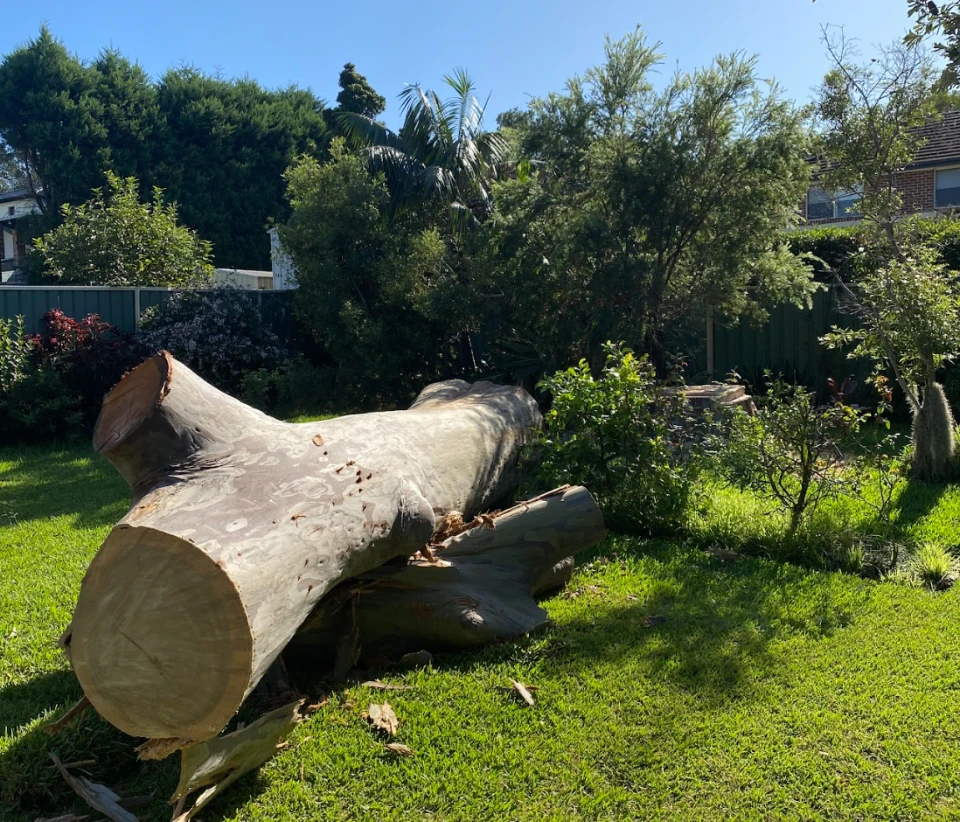
Large contractors often have standardized cleanup expectations. Local companies can be just as thorough, but the homeowner should confirm details like whether they will remove woodchips or leave them. If stump grinding is needed, it should be explicitly included, along with how deep they will grind and whether they will backfill.
How do warranties and follow-up typically work?
Tree removal rarely includes “warranties” in the same way as construction, but follow-up still matters. If they damage a fence, leave a rut, or miss a limb over a roof, someone needs to come back.
Local companies may offer faster follow-up because they are nearby and want to protect local reviews. Large contractors may have more formal service tickets and documentation, but scheduling a return visit can take longer. The homeowner should ask how they handle post-job issues and what the timeline is.
Which option is better for storm response and emergency work?
Large contractors can be strong in major storm events because they can mobilize extra crews and equipment. They may also have priority systems and established emergency operations.
Local companies can be excellent for emergencies too, especially if they are already in the area and can respond quickly. During storms, the best choice is the one that can confirm safety steps, provide a clear estimate, and avoid vague pricing. They should document hazards, especially if working near power lines, and coordinate with utilities when required.
What questions should they ask before choosing either one?
They should choose based on proof, not promises. A few questions can quickly reveal professionalism:
- Are they licensed where required, and can they show proof?
- Can they provide a certificate of insurance for liability and workers’ compensation?
- Who will be on-site, employees or subcontractors?
- What is included: stump grinding, hauling, log removal, and cleanup?
- How will they protect driveways, lawns, and nearby structures?
- What equipment will they use, and why is it appropriate?
- What is the payment schedule, and is the scope in writing?
If the answers are unclear, it is a warning sign regardless of company size.
So, what’s better overall: local tree removal or a large contractor?
Local tree removal is often better for personalized service, flexible scheduling, and accountability, especially for straightforward jobs where communication matters. Large contractors can be better for large-scale projects and storm response, where extra crews and equipment capacity can make a difference.
The best choice is the company, not the category. They should pick the team that can show proper insurance, explain a safe plan, put the scope in writing, and deliver a clean, complete result.
FAQs (Frequently Asked Questions)
What are the main differences between a local tree removal company and a large contractor?
A local tree removal company is typically owner-operated or a small team serving a defined area, offering personalized communication and quicker issue resolution. Large contractors are often regional or national with multiple crews, centralized scheduling, and standardized processes, which can affect communication and staffing.
Which option is usually faster to schedule for tree removal services?
Large contractors may schedule faster during high-demand periods like storms due to multiple crews and dedicated dispatch teams. However, local companies can often fit smaller, non-emergency jobs into their schedules more quickly because they are nearby. The best indicator of speed is how soon each can provide a firm date in writing.
Who generally offers more competitive pricing for tree removal?
Local tree removal companies often price more competitively due to lower overhead and shorter travel distances. They may also offer flexible quotes bundling services like pruning and removal. Large contractors might have higher prices because of marketing and administrative costs but sometimes run promotions or offer efficiencies on large jobs. Always compare detailed quotes specifying included services like stump grinding and debris hauling.
How do safety standards compare between local companies and large contractors for complex tree removals?
Both local companies and large contractors can safely handle complex removals if they employ trained climbers or cranes and follow proper rigging practices. The safer choice depends on verified training, insurance, appropriate equipment, and clear plans tailored to the specific tree and site conditions such as tight access or proximity to power lines.
What should homeowners know about insurance and liability when hiring tree removal services?
Large contractors often carry substantial general liability coverage and workers’ compensation with formal documentation readily available, simplifying verification. Local companies may be equally insured but homeowners should request current certificates of insurance directly from the insurer. Lack of proof of workers’ compensation could expose homeowners to liability if a worker is injured on their property.
How do accountability and customer service differ between local tree removal companies and large contractors?
Local companies tend to be more accountable locally as their reputation depends on community trust; homeowners can often reach owners directly for quick resolutions. Large contractors have formal claims processes that may involve multiple layers, potentially slowing communication but providing clear paperwork. Local teams usually offer direct communication with the person quoting or working onsite, while large firms provide structured updates through customer service lines.
See Also: Stump removal pricing: what factors affect the cost?