
Deciding between tree lopping and full tree removal is rarely a simple choice; it’s a decision that involves understanding the tree’s health, its impact on neighbouring properties, safety risks, costs and the long-term implications for the landscape. In Sydney, where councils approved over 27,800 tree removals in 2025 alone, it’s clear that tree management practices are under constant scrutiny. Assessing whether lopping could serve as a viable alternative to full removal demands an in-depth look at risks, costs, and outcomes.
This guide highlights practical advice and up-to-date insights for homeowners and property managers in Sydney. It draws on current research, expert advice and industry trends to offer a balanced view on managing trees responsibly while protecting property value and safety.
Understanding Tree Lopping and Full Tree Removal
What is Tree Lopping?
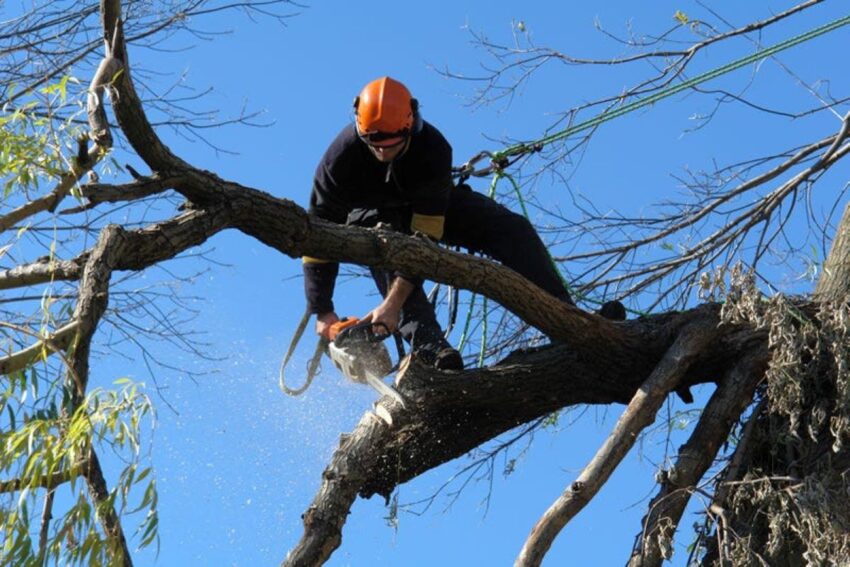
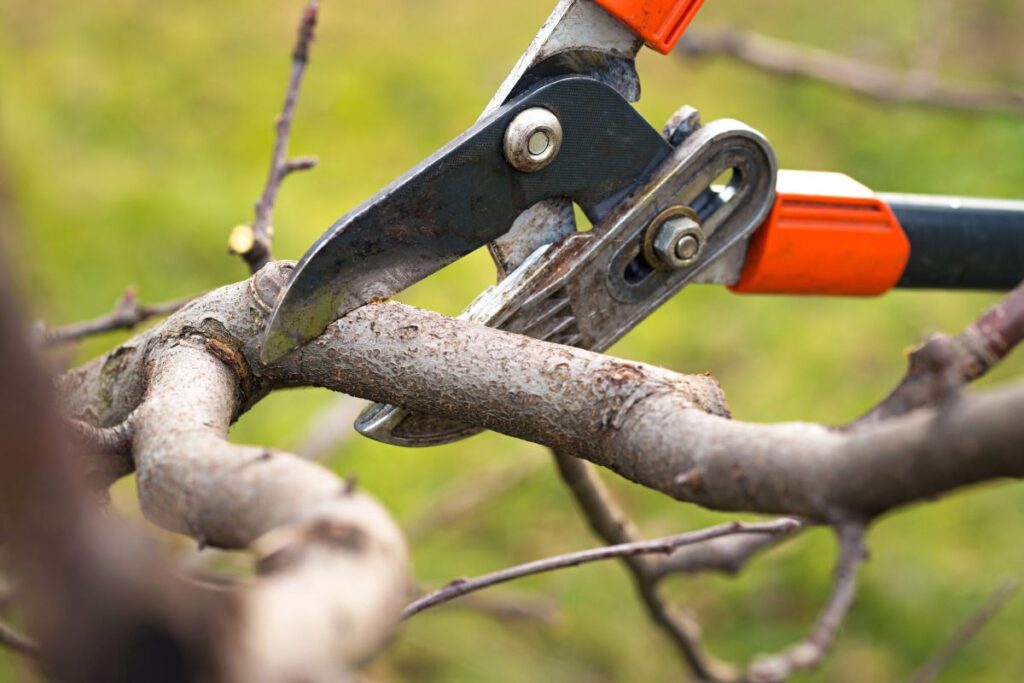
Tree lopping Sydney typically involves the selective cutting of branches to reduce a tree’s size or reshape its overall form. This approach is often used to remove dead, damaged, or overgrown sections while preserving the main structure of the tree. When done correctly, tree lopping can help manage the tree’s crown and reduce risks associated with overhanging or unstable branches.
A common misconception is that tree lopping Sydney is always a less invasive alternative to full tree removal. In reality, improper lopping can cause structural defects, large unsightly wounds, and even shorten the tree’s lifespan. Poorly executed lopping may also leave trees more vulnerable to pests, decay, and disease.
While tree lopping Sydney may appear to be a practical short-term solution, property owners should consider the long-term health of the tree and the impact on property value. Best practice is to engage experienced professionals who follow industry standards and safe work guidelines to ensure sustainable, responsible outcomes.
What Constitutes Full Tree Removal?
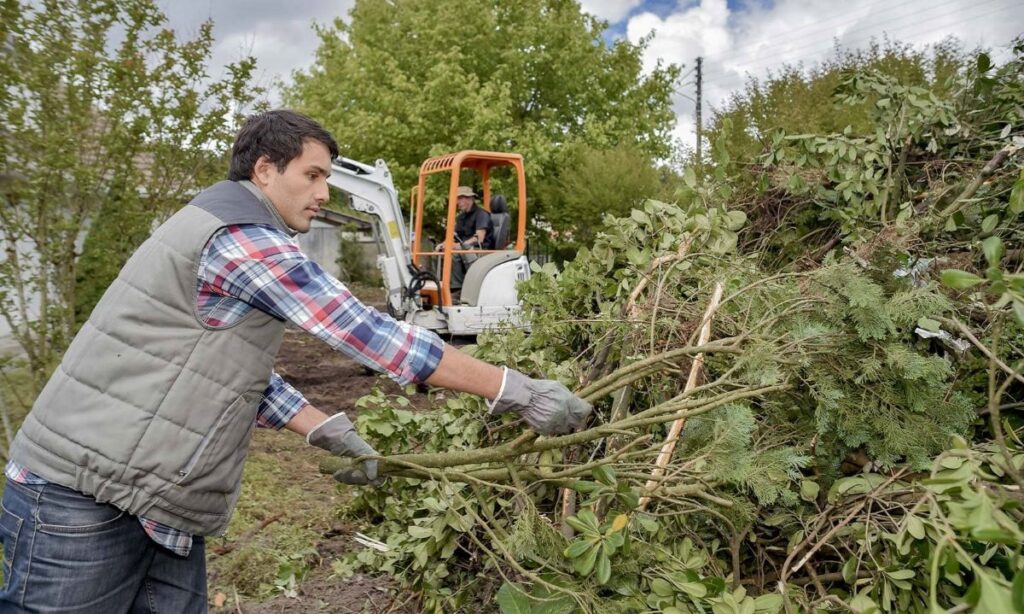
Full tree removal involves felling the entire tree, ensuring that all components-from roots to branches-are completely taken out. This method is generally employed when the tree poses an imminent safety hazard, is diseased beyond recovery, or when land redevelopment requires a clear site.
This comprehensive process not only removes potential risks but eliminates the maintenance and long-term impacts associated with a dying or compromised tree. However, it also means sacrificing the tree’s benefits, such as natural cooling, aesthetic appeal, and potential ecological value.
Property owners are urged to weigh the necessity of a complete removal against potential alternatives. Consider the cost implications as well; in Sydney, tree removal is priced based on various factors and can vary significantly from $350 to over $10,000, with an average around $3,490 as of October 2025.
Evaluating Safety Risks and Work Health Concerns
Risks Associated with Improper Tree Lopping
Improper tree lopping carries inherent risks that extend beyond aesthetics. When branches are cut improperly, the resulting wounds on the tree can become portals for disease and pest infestation. A weakened tree structure may eventually lead to unexpected failure during storms or heavy winds.
Many practitioners highlight that unsafe lopping practices can cause structural imbalances within the tree. These imbalances can open up the tree to heightened stress and eventual collapse, putting both property and people at risk.
It is vital to follow guidelines from organisations such as Safe Work Australia, which recommends thorough risk management and proper equipment use during tree operations to avoid common pitfalls and accidents.
Work Health and Safety Challenges in Tree Operations
The inherent dangers of tree work are well-documented. Studies show that roughly 65% of fatalities in tree-related work occur during the felling process. An alarming statistic reinforces the need for specialised training and adherence to strict safety protocols.
When trees are lopped rather than removed, the risks do not entirely disappear. Some accidents occur during trimming or lopping (20% of fatalities), emphasising the need for vigilance even in procedures that appear less dramatic.
Ensuring that professionals are accredited and experienced is crucial. Whether opting for lopping or removal, both procedures share similar health and safety demands that must not be underestimated.
Cost Considerations for Tree Maintenance in Sydney
Cost Factors for Tree Lopping
Tree lopping is generally less expensive than full removal as it often requires less manpower and specialised equipment. However, costs can vary depending on the tree’s size, the amount of lopping required, and its location. Some smaller jobs might be as low as $300, particularly on trees below 5 metres, though complexities will drive up costs.
It is worth noting that while lopping might be quick and relatively inexpensive, improper work can lead to longer-term expenses. Damage to the tree can necessitate further treatment, and a severely compromised tree might ultimately need complete removal.
Preliminary assessments are essential; timing the service during off-peak hours might result in cost savings. Always request detailed quotes that outline service scope and any associated risks.
Cost Breakdown for Complete Tree Removal
The cost of full tree removal is influenced by multiple factors, including tree species, size, location, and accessibility. In Sydney, tree removal prices range broadly, with larger trees over 20 metres often exceeding $5,000. In contrast, smaller trees may fall within a bracket between $300 and $800.
Recent data suggests an average tree removal cost in Sydney of between $1,350 and $3,490. This variation reflects the complexities of individual jobs. For instance, removal in an urban setting may require specialised equipment and careful coordination with local councils, impacting the final cost.
Budgeting, therefore, isn’t solely about the immediate outlay but also the potential for long-term savings if a hazardous tree is entirely removed. Property managers need to factor in the potential risks and future expenses associated with repeated maintenance if only lopping is performed.
Impact on Property Value and Landscapes
Aesthetic and Structural Considerations
One key reason for choosing between lopping and tree removal is the visual impact on a property. Trees provide an essential and natural contribution to property aesthetics. However, improper lopping can leave unsightly cuts, scars and an uneven canopy, which in turn may reduce property value.
The scars left by improper lopping are not merely an aesthetic issue; they can indicate underlying health problems with the tree. A tree that appears unhealthy detracts from the overall ambiance of your property.
Owners should consult with arborists to determine whether temporary lopping will enhance the tree’s figure or risk compromising its long-term contribution to the landscape. A well-cared-for tree represents both a financial asset and an ecological benefit.
Long-Term Environmental and Ecosystem Impact
From a broader perspective, trees play a crucial role in urban ecosystems. Removing a tree entirely can have consequences on local biodiversity, microclimates and even air quality. Even when faced with diseased trees, the decision requires careful evaluation of both immediate risks and future habitat loss.
City landscapes in Sydney are already adapting to rapid urbanisation. By choosing appropriate tree management practices, such as targeted lopping followed by restorative care, local councils and homeowners can help maintain green spaces. Maintaining a balanced approach becomes key in preserving the environmental riches that trees provide.
The long-term environmental impact reinforces the point that every tree is a living asset. Rather than simply opting for a full removal, preserving and rehabilitating trees where possible can provide vibrancy and ecological benefits to the neighbourhood.
When to Consider Tree Lopping
Managing Overgrowth and Safety Hazards
Tree lopping offers an attractive solution when a tree’s branches encroach on powerlines, overhang roofs, or obstruct pathways. When managed correctly, lopping allows property owners to maintain the tree’s health while minimising immediate risks.
Property managers in Sydney often opt for lopping as a preventative measure rather than a response to an existing hazard. Strategic trimming helps in managing overgrowth and maintaining both the structural and aesthetic integrity of the tree.
However, professionals underscore that there’s a fine line between constructive maintenance and harmful over-pruning. Understanding when lopping is sufficient versus when full removal is warranted requires assessing the tree’s overall health condition, structural integrity and existing damage.
Other Resources : Horticulture – Pruning and tree surgery
Cost-Effective Measures for Maintenance
If the tree is stable and healthy despite some overgrowth, opting for lopping may be a cost-effective measure. For instance, periodic lopping can help avoid more expensive interventions later on. This approach has proved beneficial for many residential properties where the risk is minimal.
Keep in mind that while lopping can extend the life of a tree, it might only offer temporary relief. In scenarios where the underlying health of the tree is compromised, repeated lopping might not be the optimal solution.
A careful cost-benefit analysis is critical. Compare the immediate savings from lopping against the potential future costs of recurrent treatments or eventual full removal. Balancing short-term expenditure with long-term health often guides better decision-making.
When Full Tree Removal is the Preferred Choice
Identifying Irreversible Damage
Sometimes, no amount of lopping can rescue a tree that is beyond saving. When severe damage, disease or structural instability is evident, full removal is often the safest route. If a tree’s disease is widespread or its internal structure is compromised, lopping may only delay the inevitable.
Property owners need to understand that a tree nearing the end of its life might present hidden structural hazards even after lopping. In these circumstances, the risks are too high and complete removal becomes the responsible choice.
Consulting with qualified arborists can help in discerning whether a tree is salvageable or if removal is unavoidable. Their expert evaluations ensure that safety is prioritised above all else.
Optimising Space and Future Land Use
Urban settings such as Sydney often face constraints in space. When redevelopment or significant landscape reconfiguration is planned, it might be more practical to remove a problematic tree entirely. This allows for customised planting or construction free from the old tree’s structural limits.
Landscaping projects frequently require clarity on site dimensions. Full removal provides a clean slate, essential for significant estate upgrades or commercial developments. In such cases, the upfront cost of removal is offset by the long-term benefits of a well-planned project.
Careful planning with landscape architects ensures that any removal is strategically mitigated with compensatory planting. This way, the loss of canopy cover is balanced against the vision for a revitalised space.
Expert Recommendations and Best Practices
Consultation with Certified Arborists
Expert advice is invaluable when deciding between tree lopping and full removal. Certified arborists provide a detailed assessment of the tree’s health and structural condition. Their evaluations help determine whether targeted lopping can rejuvenate the tree or if it is in a state that necessitates full removal.
Professionals bring a wealth of knowledge of local conditions, including soil health, historical data about the tree species and environmental factors unique to Sydney. Their insight often helps property owners avoid costly mistakes and maintain safety.
Regular assessments, particularly in urban areas, enable early detection of issues. With proactive management, choices can be made that balance aesthetics, safety and financial constraints.
Following Safe Work Guidelines
Adhering to Safe Work Australia’s guidelines is essential during all tree management procedures. Whether opting for lopping or removal, operator safety and risk management remain core priorities. Detailed assessments ensure that all risks are accounted for, minimising hazards both during and after the work.
Onsite safety measures include using appropriate safety gear, secure rigging of branches and adherence to recommended work practices. Following these guidelines can considerably reduce the likelihood of hazardous incidents.
It is also wise to ensure that any contractor or service provider adheres to accredited industry standards. This not only safeguards the worksite but also protects the long-term health of the tree or the integrity of your property should removal be necessary.
Comparing Long-Term Benefits and Drawbacks
Environmental and Ecological Considerations
Trees are a cornerstone of urban ecosystems and carry significant environmental value. Choosing tree lopping over complete removal preserves biodiversity, provides shade and contributes to the local microclimate. Gradual lopping can allow for a healthier tree if executed correctly.
On the other hand, removing a tree permanently can create a void in the ecosystem. This may require supplementary planting to maintain the ecological balance. City councils often advocate finding a middle ground that protects both the environment and property safety.
When deciding, look at the environmental footprint of each option. Retaining trees wherever possible can be aligned with sustainable practices, provided that their health is continually monitored and maintained.
Impact on Property Investment
The visual appeal of your property and the status of mature trees can significantly influence its market value. A well-tended, healthy tree stands as an asset that boosts curb appeal and can even elevate a property’s desirability.
However, improperly lopped trees resulting in unfortunate scars and an uneven canopy might detract from the property’s worth. Buyers pay attention to maintenance history and visible signs of neglect may become a point of concern.
Ultimately, the decision should weigh both the short-term aesthetics and the enduring value of a healthy landscape. Professional advice ensures that any action taken aligns with market trends and property investment goals. Click here to get what problems only a qualified arborist Sydney can identify early.
Making the Final Decision
Steps to Determine the Best Approach
Start with a detailed assessment by a qualified professional. Evaluate the tree’s health, location and potential hazards. In many cases, a series of professional inspections may be needed to understand the extent of any damage or deterioration.
Step-by-step, determine whether the tree could benefit from restorative lopping or if its condition suggests that full removal would be safer over time. This structured approach minimises guesswork and ensures that decisions are evidence-based.
Next, consider the financial implications. Compare the savings of tree lopping against the prospective need for repeated maintenance. This comprehensive process ultimately provides a clearer picture of which action is in the best interest of both safety and long-term financial prudence.
Final Recommendations for Sydney Homeowners
While tree lopping can offer short-term cost savings and aesthetic benefits, it’s not always the optimal solution. Homeowners in Sydney should use a balanced approach-consult experts, compare costs and take into account the broader environmental impact.
Many locals have found success in implementing a hybrid strategy: lopping to reduce immediate hazards followed by careful monitoring and eventual replacement when necessary. This approach combines the benefits of both methods while mitigating their respective drawbacks.
Above all, prioritise safety, professional expertise and long-term property value. Whether your property requires the gentle touch of lopping or the decisive action of full removal, informed decision-making will preserve both your landscape and the broader environment.
Conclusion
Choosing between tree lopping and full tree removal in Sydney is a complex decision influenced by safety considerations, financial factors and long-term environmental impact. Each situation is unique and requires a careful blend of professional advice and on-site assessment. A poor lopping job can jeopardise tree health and ultimately prove more costly than proper removal, while premature removal sacrifices the inherent benefits and visual appeal of a mature tree.
Homeowners and property managers must weigh these factors carefully. Whether your primary focus is saving costs or preserving property value, keeping abreast of industry trends, such as the rising average removal costs and the risks associated with improperly executed tree lopping, is essential. A consultative approach with experienced arborists will always be the best route to ensure that each decision supports both safety and the long-term health of your urban landscape.
The landscape in Sydney is ever-changing. As tree management practices evolve and local regulations adapt, staying informed will help you make decisions that are prudent, safe and sustainable. Live with the knowledge that every tree is a valuable asset-one that requires respect, proper care and, when necessary, decisive action.