
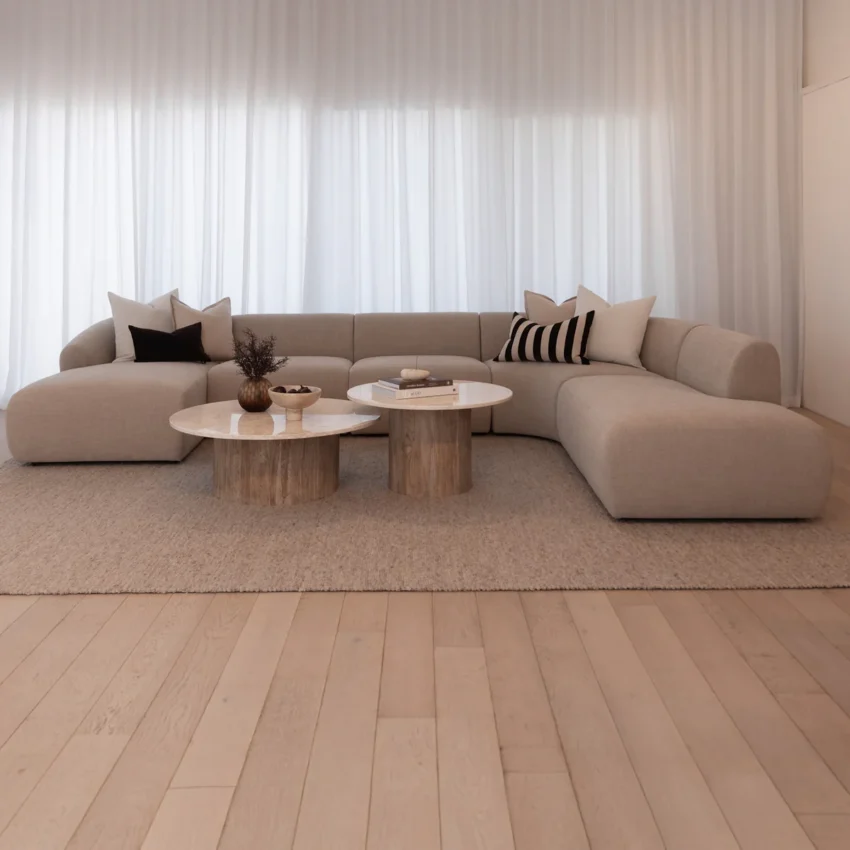
They also make layouts easier. Instead of scattering armchairs and small sofas around the room, a single corner sofa can anchor the space and create a clear zone for relaxing, talking, and watching TV.
Why do corner sofas make a room feel bigger?
They make a room feel bigger because they concentrate seating along two walls rather than pushing furniture into the middle. That keeps walkways open and reduces visual clutter.
Most rooms have a dead corner that collects lamps, side tables, or nothing at all. A corner sofa turns that unused pocket into seating, which often removes the need for extra chairs. Fewer pieces usually means a calmer, more spacious look.
How can they increase seating without adding extra furniture?
Corner sofas optimise seating capacity by extending the footprint in an L-shaped configuration, accommodating more people than a standard two- or three-seater. In many living room strategies, one unit can effectively replace a sofa plus an armchair, or even two smaller sofas, delivering stronger space efficiency and layout cohesion.
The corner section is the strategic advantage. Rather than serving as a transitional seat, it becomes the most versatile zone for stretching out, hosting guests, or accommodating additional seating demand when required.
Which room layouts work best with a corner sofa?
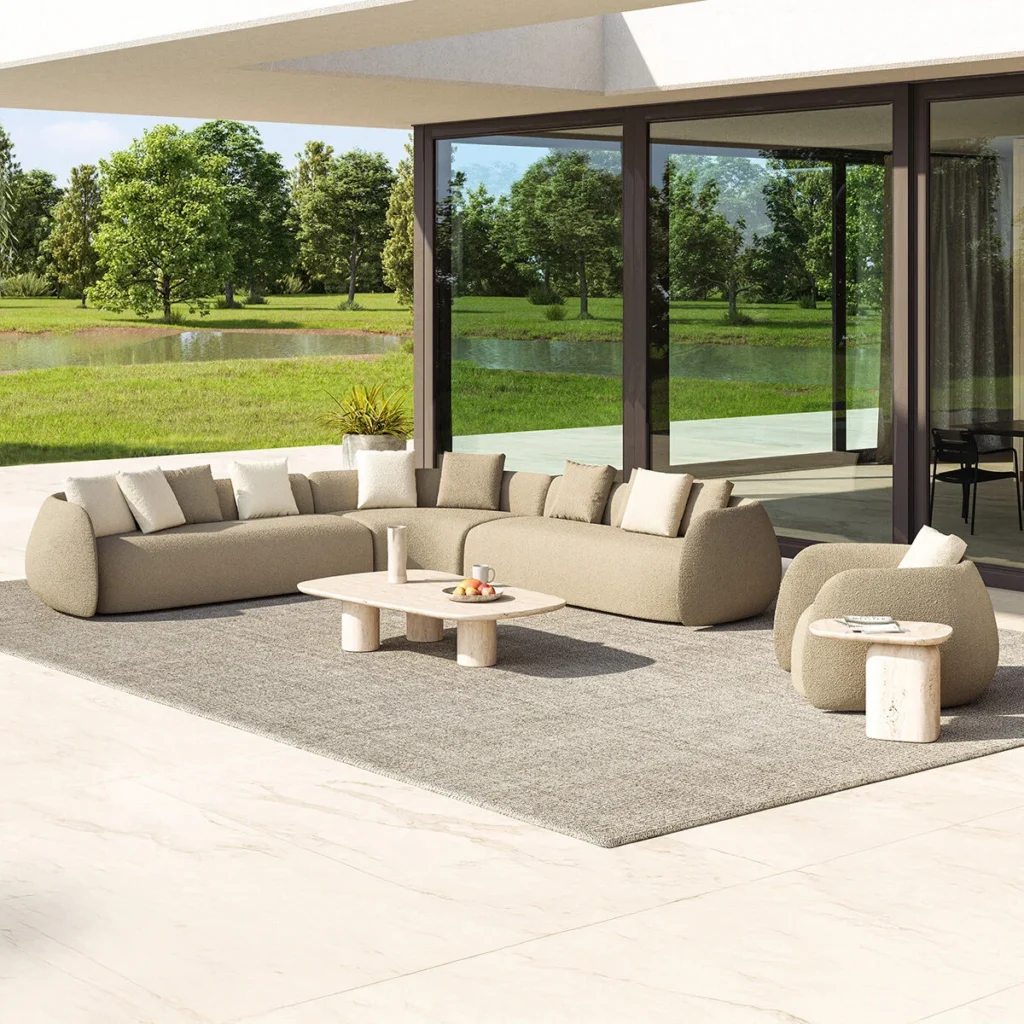
They work best in rooms where the seating area needs clear boundaries, such as open plan spaces. Placing the longer side along the main wall and the shorter side into the room can subtly divide lounging from dining.
They also suit square rooms where a standard sofa looks lost. In a compact rectangular room, the best layout often keeps the sofa tight to the perimeter, with a clear path from the doorway to the rest of the home.
Should they choose a left-hand or right-hand corner?
They should choose based on how people naturally move through the room. The return side should not block doors, radiators, or the most-used walkway.
A simple rule helps: when facing the sofa, if the shorter section extends to the left, it is left-hand facing, and vice versa. If they are unsure, modular designs reduce the risk because sections can often be swapped around later.
What size should they pick to avoid wasting space?
They should pick a size that leaves comfortable circulation space around the sofa. A corner sofa can be generous, but the room still needs breathing room for walking, opening drawers, and pulling out chairs.
Measuring is not optional. They should mark the footprint on the floor with masking tape and test real-life movement, including where feet rest when reclining. This quick step prevents the common mistake of buying a sofa that technically fits, but functionally overwhelms.
Are modular corner sofas better than fixed designs?
They are often better for flexibility because they adapt to changing needs. If the room is rearranged, a modular sofa can sometimes become a chaise sofa, a standard sofa, or even two smaller seating pieces.
Fixed designs can still be the right choice when the layout is permanent and they want a cleaner silhouette. The key difference is commitment: modular options suit renters or frequent movers, while fixed corner sofas suit settled spaces.
What fabrics and finishes are most practical for everyday life?
They are most practical in durable, easy-clean materials that match how the household actually lives. Families often prefer tightly woven fabrics or performance textiles that resist stains, while pet owners may avoid loose weaves that snag.
Leather and leather-look finishes can be wipeable, but they show scratches differently depending on the finish. Lighter colours can open up a small room, but mid-tones often hide wear better. The most “practical” choice is usually the one they will not worry about every day.
How should they style a corner sofa so it does not dominate the room?
They should style it with balance, not more bulk. A slim coffee table, a light rug, and one or two side tables often look better than heavy matching pieces.
Cushions and throws can soften the shape, but they should not pile on too many. Keeping some of the sofa visible helps the room feel tidier. If the sofa is large, using a floor lamp and a single statement artwork can draw the eye up and stop the layout feeling bottom-heavy.
What small details make a big difference when buying one?
They should check seat depth, back height, and arm shape because these decide comfort more than looks. Deep seats suit lounging, but some people prefer a shallower sit for upright support.
They should also think about access. If the sofa is delivered in one large piece, it may not fit through narrow halls or tight staircases. Storage options, washable covers, and replaceable cushion inserts can quietly add years of usefulness.
How can they make sure it stays comfortable long-term?
They can keep it comfortable by choosing supportive fillings and maintaining them properly. Foam holds shape, fibre feels softer, and mixed fillings often provide a good compromise.
Regular cushion rotation helps prevent sagging in the “favourite” seat. If they want a corner sofa that still looks good after heavy use, they should prioritise a strong frame, quality springs, and reputable construction over extra scatter cushions or trendy details.
FAQs (Frequently Asked Questions)
Why do corner sofas make a living room feel bigger?
Corner sofas make a room feel bigger by concentrating seating along two walls instead of placing furniture in the middle. This arrangement keeps walkways open and reduces visual clutter, turning unused dead corners into functional seating areas and often eliminating the need for extra chairs, resulting in a calmer, more spacious look.
How can corner sofas increase seating without adding extra furniture?
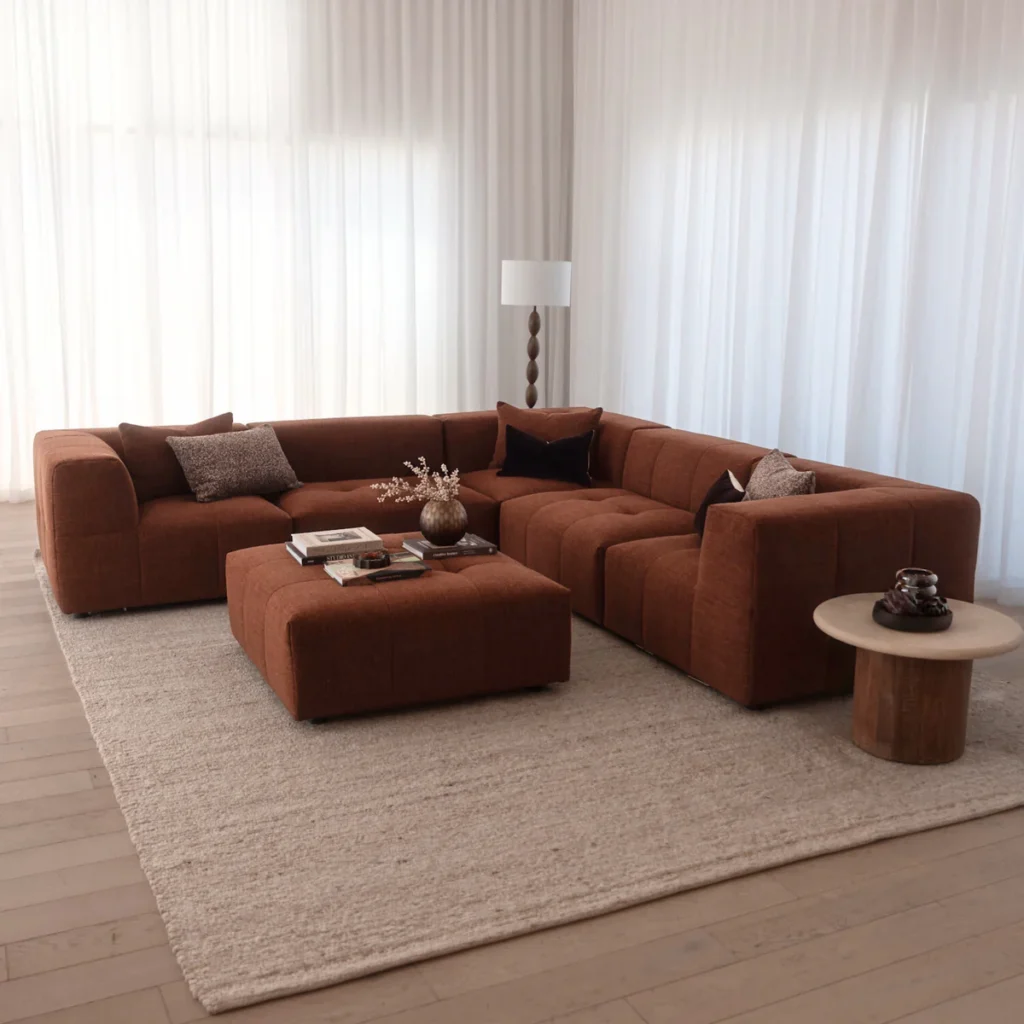
Corner sofas increase seating by extending length in an L shape, fitting more people than standard two or three-seater sofas. One corner sofa can replace a sofa plus an armchair or even two small sofas. The corner section offers flexible seating for stretching out, hosting guests, or accommodating extra people when needed.
Which room layouts are best suited for corner sofas?
Corner sofas work best in rooms where clear boundaries for seating are needed, such as open-plan spaces. Placing the longer side along the main wall and the shorter side into the room can subtly divide lounging from dining areas. They also suit square rooms where standard sofas seem lost and compact rectangular rooms where keeping seating tight to the perimeter maintains clear pathways.
How do I choose between a left-hand or right-hand corner sofa?
Choose based on natural movement through the room; ensure the return side doesn’t block doors, radiators, or main walkways. When facing the sofa, if the shorter section extends to the left, it’s left-hand facing; if to the right, right-hand facing. If unsure, modular designs offer flexibility as sections can often be swapped later.
What size corner sofa should I pick to avoid wasting space?
Select a size that allows comfortable circulation around the sofa. While generous sizing is possible, leave enough breathing room for walking, opening drawers, and pulling out chairs. Measure carefully and mark the sofa’s footprint with masking tape on the floor to test real-life movement before purchasing to prevent overwhelming your space.
Are modular corner sofas better than fixed designs?
Modular corner sofas are often better for flexibility as they adapt to changing needs; they can be rearranged into chaise lounges, standard sofas, or smaller pieces. Fixed designs suit permanent layouts and offer a cleaner silhouette. Modular options are ideal for renters or frequent movers, while fixed sofas work well in settled spaces.
naked link Outdoor Furniture Factory Outlet Sydney: Where to Find Warehouse Deals